
One body. Two people.
You areNext.
He learns that he will lose his memory. To him, this means more than forgetting his past: it means the end of the person he knows himself to be.
He leaves society, builds a house in the mountains, and writes three books for the stranger he believes will wake up in the same body.
What can one person leave for the next?

He left three answers.
Which one is yours?
The same fear runs through all three books: how can he leave something behind when the person he knows himself to be may disappear?
I / Love
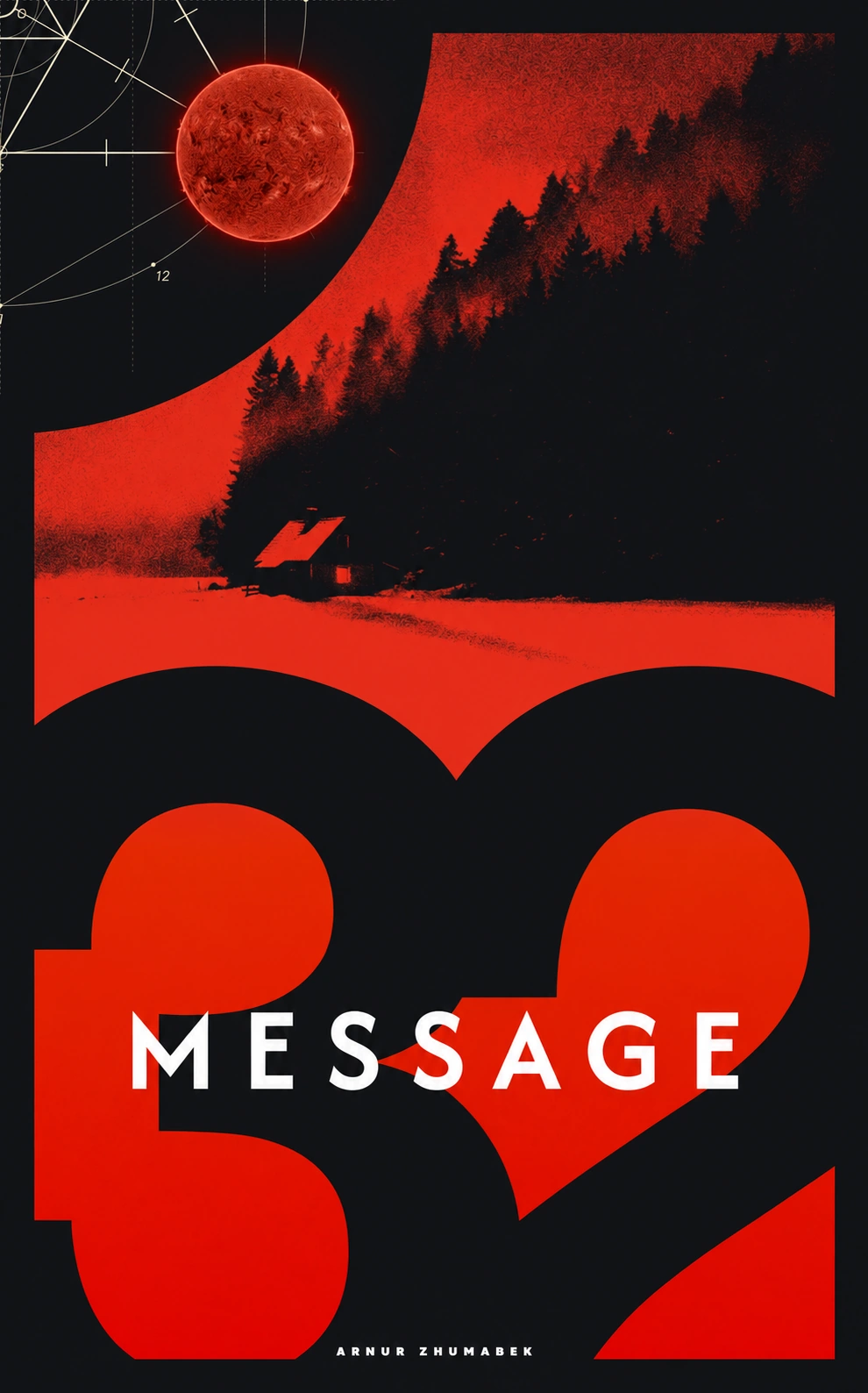
Message
Message / Love
Who was I?
Leave your story.
He writes his life as a message to the stranger who will inherit his body. The book carries his past across the loss of memory, giving the second person a story to receive.
Its answer to the crisis
The next person may not remember this life, but he can encounter it through a story. The response to loss is to preserve a connection: not the memory itself, but a life another person can read and receive.
Reading the cover
The forest and the house can be read as a place of continuity. Against the red sky, a human-sized home remains within a larger world — a visual echo of leaving a story for someone else.
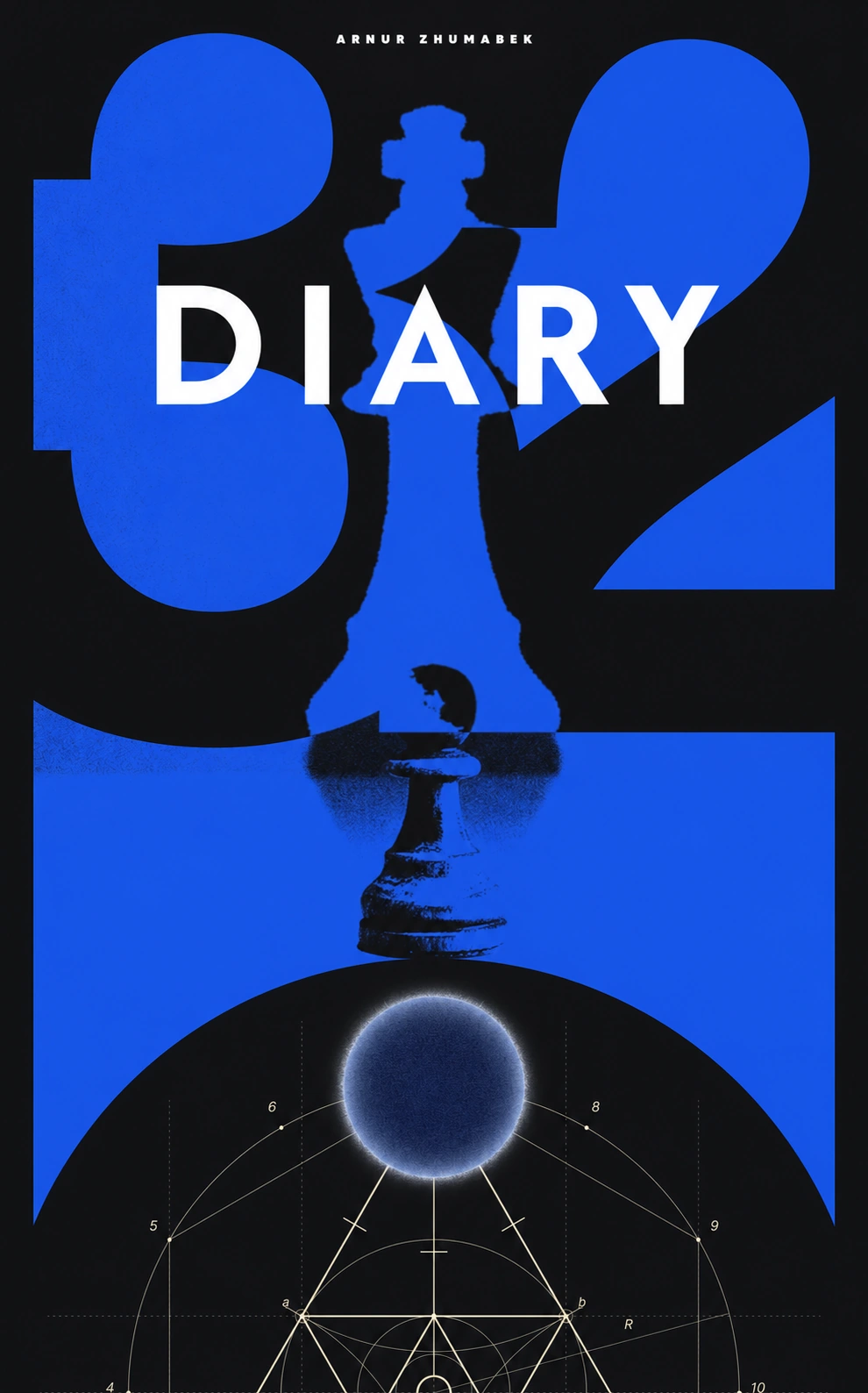
Diary / Dream
How do I begin again?
Build a world.
He withdraws from society and builds a house in the mountains. His diary records the life of that house, turning isolation and his remaining days into a structure for the person who comes next.
Its answer to the crisis
He may not be able to give the next person his memories. He can still prepare a place to inhabit and a way of living. Here, hope takes the form of a beginning that has already been made possible.
Reading the cover
The king, pawn and reflection can be read as different positions of the self. The blue sphere and geometric lines suggest possibility and structure: a world that can be built around a changed life.
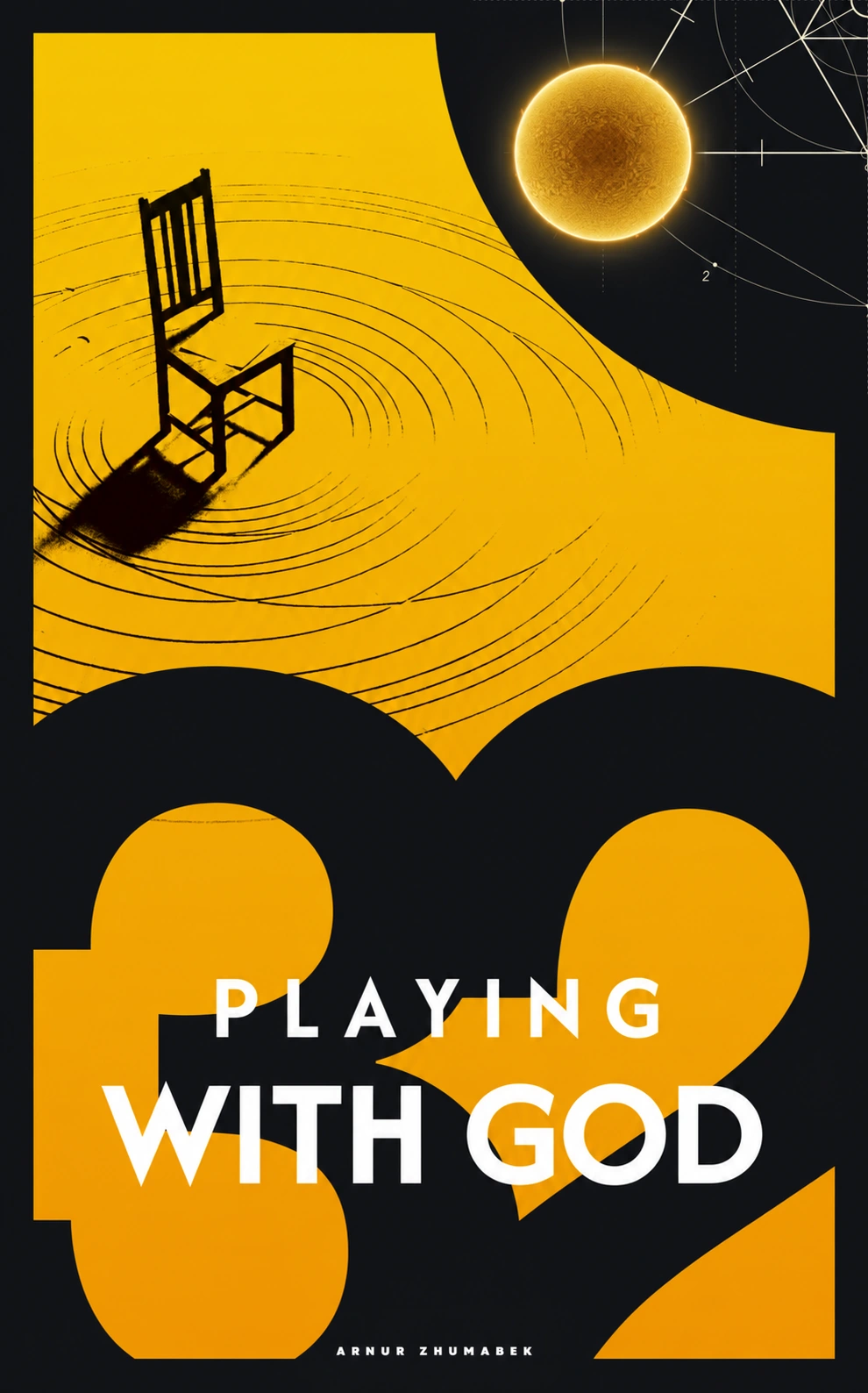
Playing with God / Truth
What does it all mean?
Understand the game.
He writes the history of humanity through the eyes of one man. The world becomes a mirror of his own fate, and the search for meaning becomes a conversation with God.
Its answer to the crisis
Rather than leaving only a personal past or a place to live, he tries to leave a way of seeing. Looking at humanity becomes a way to ask where his own life belongs, and whether meaning can extend beyond what one person remembers.
Reading the cover
The empty chair can suggest a place awaiting another occupant. Its surrounding ripples, sun and geometry can be read as a small human presence within something larger — a visual question about one's place in the world.